
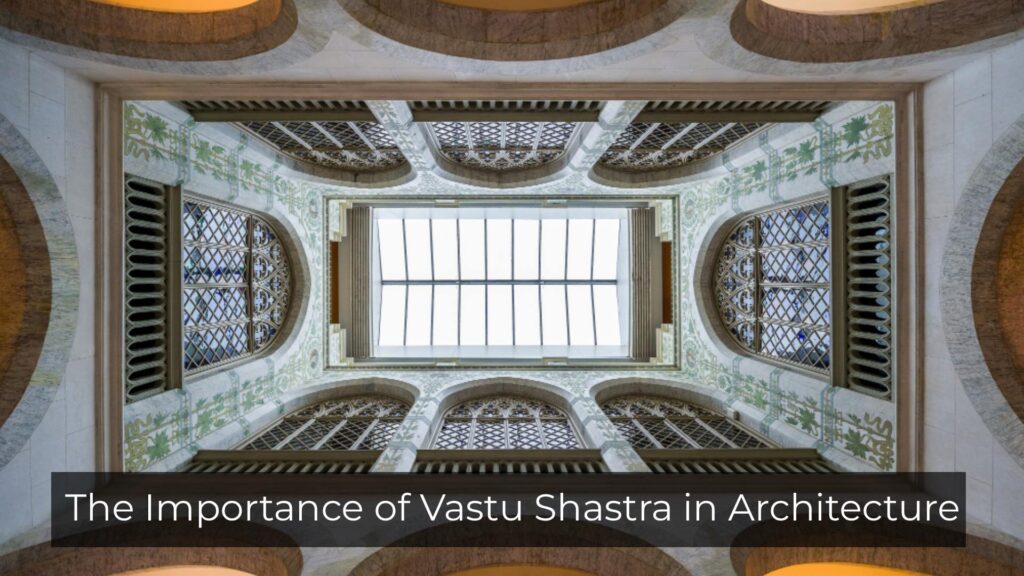
In an era where modern architecture often prioritizes aesthetics and functionality, the ancient science of Vastu Shastra offers a profound framework that harmonizes built environments with natural forces. As homeowners and builders in Bangalore and across India increasingly seek meaningful connections between their living spaces and well-being, understanding the importance of Vastu Shastra in architecture has never been more relevant.
What is Vastu Shastra? Understanding the Ancient Science of Architecture
Vastu Shastra, which translates to “science of architecture,” is an ancient Indian architectural system dating back over 5,000 years to the Vedic period. Originating from the Sthapatyaveda, a part of the Atharvaveda, this traditional practice represents far more than a collection of building rules, it embodies a comprehensive philosophy that integrates architecture with cosmic energies, natural elements, and human consciousness.
The fundamental premise of Vastu Shastra rests on the belief that our physical environment directly impacts our health, prosperity, relationships, and overall well-being. By aligning architectural designs with the natural forces of the universe, Vastu creates spaces that promote positive energy flow and harmonious living.
The Five Elements: Foundation of Vastu Architecture Principles
At the heart of Vastu Shastra lies the concept of Panchabhutas, the five fundamental elements that constitute the universe and influence every aspect of our existence:
Earth (Prithvi): Represents stability, grounding, and magnetic energy. The earth element affects our internal organs and provides the foundation for all structures. Vastu principles recommend specific orientations to harness the earth’s magnetic field effectively.
Water (Jal): Symbolizes flow, purity, and prosperity. Water placement within architectural design influences wealth and abundance. Vastu architecture for house designs typically positions water sources, tanks, and features in the northeast direction to maximize positive energy.
Fire (Agni): Governs energy, power, and transformation. The fire element dictates the placement of kitchens, electrical systems, and heat-generating appliances. Traditional Vastu architecture principles suggest positioning the kitchen in the southeast corner to harness solar energy and natural warmth.
Air (Vayu): Controls movement, freshness, and vitality. Proper ventilation and air circulation are essential for health and energy. Vastu emphasizes strategic placement of windows, doors, and openings to facilitate optimal airflow from the northeast direction.
Space (Akasha): Represents the cosmic container that holds all other elements. The central area of any structure, known as the Brahmasthan, should remain open and uncluttered to allow energy circulation throughout the building.
Directional Significance in Vastu Architecture
Understanding directional energies forms the cornerstone of Vastu Shastra and modern architecture integration. Each cardinal direction carries distinct qualities and influences specific aspects of life:
East Direction: Associated with the rising sun, the east represents new beginnings, vitality, and ambient energy. Main entrances, windows, and prayer rooms facing east attract positive vibrations and natural light. This direction promotes health, prosperity, and spiritual growth.
North Direction: Symbolizes wealth, opportunities, and prosperity. The north direction is governed by Kubera, the deity of wealth in Hindu mythology. Entrances, offices, and financial areas positioned in the north enhance monetary gains and career advancement.
West Direction: Represents stability, maturity, and strength. While not as auspicious as east or north for main entrances, the west direction works well for pantries, dining areas, and storage spaces. It provides grounding energy and supports completion of projects.
South Direction: Associated with strength, authority, and stability. Bedrooms in the southwest corner promote restful sleep and relationship harmony. However, Vastu architecture for house designs generally avoids placing main entrances in the south, as this direction can bring challenges.
Northeast (Eesanya): Considered the most sacred and powerful direction, the northeast combines the positive energies of both north and east. This zone should remain light, open, and free from heavy construction. Prayer rooms, meditation spaces, and water elements placed here amplify spiritual and material prosperity.
Southeast (Agneya): Governed by the fire element, the southeast is ideal for kitchens and electrical installations. This placement aligns with natural solar movement and enhances digestion and health.
Southwest (Nairutya): Represents stability and grounding. Master bedrooms, heavy furniture, and storage areas benefit from southwest positioning, promoting security and strong relationships.
Northwest (Vayavya): Associated with air and movement, the northwest suits guest rooms, bathrooms, and vehicle parking. This direction facilitates change and social connections.
Core Vastu Architecture Principles for House Design
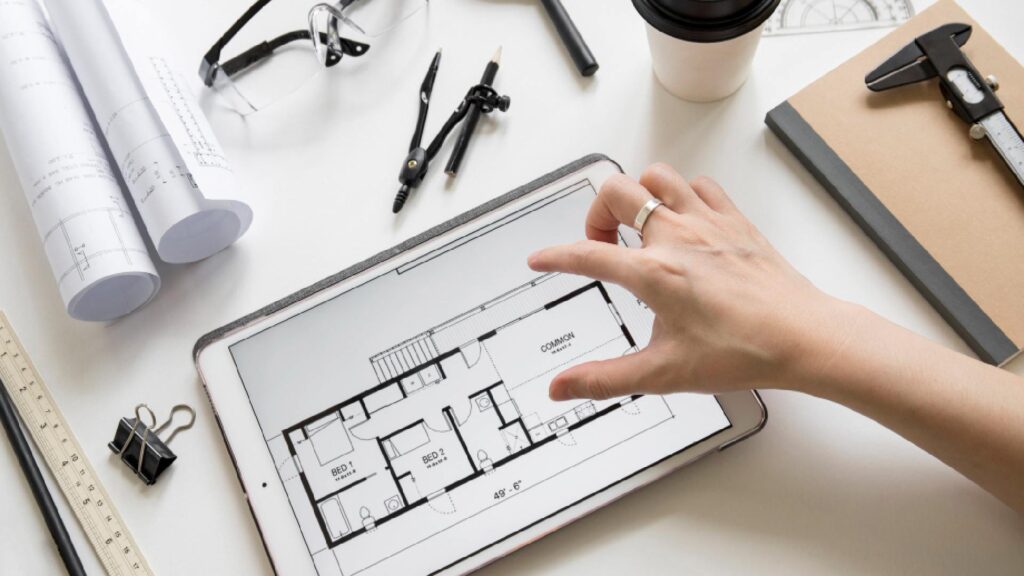
Implementing Vastu Shastra principles in residential architecture creates environments that support holistic well-being. Here are the essential guidelines:
Optimal Building Orientation
The orientation of your home significantly influences energy flow and inhabitant well-being. Vastu recommends square or rectangular plot shapes, as these forms promote balance and stability. Irregular shapes, circular, triangular, or L-shaped plots, can create energy imbalances and should be avoided or remediated through Vastu corrections.
Room Placement According to Vastu
Master Bedroom: Position in the southwest corner for stability, deep sleep, and strong relationships. The bed should be placed with the head toward the south or east, never toward the north, which can cause restlessness and health issues.
Kitchen: Located in the southeast corner to harness fire energy. The cooking area should face east while preparing food, aligning with solar energy. Avoid placing the kitchen directly under or above bathrooms.
Living Room: Best positioned in the north or east to welcome guests and facilitate positive social interactions. This area should be spacious, well-lit, and clutter-free to promote harmonious gatherings.
Children’s Room: Ideal in the north or east directions to support growth, learning, and creativity. Study desks should face east or north for enhanced concentration.
Bathrooms: Northwest or southeast placements help release negative energy. Toilet seats should never face north or northeast, and bathrooms should never occupy the center of the home.
Prayer Room: The northeast corner provides the most spiritually charged environment for meditation and worship. Deities should face west while practitioners face east during prayer.
Office/Study: North or east positioning enhances focus, productivity, and intellectual growth. Desks should be arranged so occupants face east or north while working.
The Vastu Purusha Mandala: Sacred Grid for Planning
The Vastu Purusha Mandala represents the metaphysical blueprint underlying all Vastu architecture. This sacred diagram depicts a cosmic being lying with the head toward the northeast, embodying the principles that guide architectural design. The mandala divides space into a grid, typically consisting of 81 squares (9×9) or 64 squares (8×8), each governed by specific deities and energies.
This grid system provides architects and builders with a framework for determining optimal room placements, entrance locations, and functional zones. The 32 padas (entrance points) around the perimeter offer specific characteristics, with only nine considered highly auspicious for main entrances.
Natural Light and Ventilation
Vastu architecture principles emphasize abundant natural light and fresh air circulation. Large windows, skylights, and strategic openings should be positioned to maximize sunlight from the east and north. This approach not only reduces energy consumption but also promotes physical health, mental clarity, and positive mood.
Natural ventilation systems aligned with Vastu principles create cross-ventilation patterns that maintain air quality and temperature regulation without excessive mechanical systems.
Use of Natural Materials
Traditional Vastu recommends organic building materials, wood, stone, clay, and natural fibers, as these substances carry inherent positive energies and maintain connection with nature. Modern Vastu Shastra and modern architecture successfully integrate these materials through:
- Stone and marble for flooring and accents
- Wood for structural elements, doors, and furniture
- Natural plasters and paints free from harmful chemicals
- Sustainable, locally sourced materials that reduce environmental impact
Vastu Shastra and Modern Architecture: Finding the Perfect Balance
The integration of Vastu principles with contemporary design creates spaces that honor tradition while meeting modern lifestyle needs. This synthesis offers numerous advantages:
Sustainability Alignment
Many Vastu architecture principles inherently support sustainable building practices. The emphasis on natural lighting reduces artificial illumination needs, strategic ventilation minimizes air conditioning requirements, and the use of natural materials lowers environmental impact. These age-old guidelines align remarkably well with current green building standards and LEED certification requirements.
Energy Efficiency
Vastu’s directional orientation principles optimize passive solar design. East and north-facing openings maximize winter sun while minimizing summer heat gain. Room placements that consider solar paths reduce heating and cooling loads, creating naturally comfortable environments year-round.
Psychological and Health Benefits
Research increasingly supports the psychological impacts of Vastu-compliant design. Spaces with abundant natural light, proper ventilation, and connection to nature demonstrate measurable benefits including:
- Reduced stress and anxiety levels
- Improved sleep quality
- Enhanced productivity and concentration
- Better physical health outcomes
- Stronger interpersonal relationships
Flexible Implementation
Modern interpretations of Vastu Shastra recognize that the ancient texts provide guidelines rather than rigid commandments. Contemporary architects working with Vastu principles adapt recommendations to suit specific site conditions, climate zones, and functional requirements while maintaining the fundamental intention of energy alignment.
Urban Applications
Cities planned with Vastu awareness demonstrate better livability. Historical examples include Jaipur, designed by architect Vidyadhar Bhattacharya following Vastu Shilpa Sastra principles, and modern projects like Charles Correa’s Gandhi Smarak Sangrahalaya, which successfully integrate Vastu concepts into contemporary public architecture.
The Role of Vastu in Different Building Types
Vastu architecture extends beyond residential applications to encompass diverse building types:
Commercial Buildings
Offices and commercial spaces benefit from Vastu principles through enhanced workplace harmony, improved employee morale, and increased business prosperity. Reception areas in the northeast, executive offices in the southwest, and financial departments in the north create energetically balanced commercial environments.
Healthcare Facilities
Hospitals and clinics incorporating Vastu principles report better patient outcomes and healing environments. Proper orientation, natural light, and energy flow support the recovery process and create calming atmospheres for patients and staff.
Educational Institutions
Schools and universities following Vastu guidelines provide optimal learning environments. Classrooms facing east or north, libraries in the west, and open brahmasthan areas facilitate knowledge acquisition and intellectual development.
Temples and Spiritual Centers
Sacred architecture remains the most rigorous application of Vastu principles. Temples designed according to Vastu Shastra create powerful spiritual experiences through precise measurements, proportions, directional alignments, and geometric patterns that elevate consciousness.
Common Misconceptions About Vastu Architecture
Several myths surrounding Vastu Shastra deserve clarification:
Myth: Vastu is Rigid and Inflexible Reality: Authentic Vastu texts present adaptable guidelines that accommodate various site conditions and requirements. The principles focus on achieving harmony rather than forcing arbitrary rules.
Myth: Vastu Solves All Life Problems Reality: While Vastu creates supportive environments, it cannot substitute for personal effort, good decision-making, and practical action. Vastu complements, rather than replaces, other aspects of successful living.
Myth: Vastu is Purely Superstitious Reality: Many Vastu principles demonstrate sound scientific reasoning related to solar orientation, magnetic fields, air circulation, and human psychology. The framework combines empirical observation with traditional wisdom.
Myth: Vastu Requires Complete Reconstruction Reality: Most Vastu improvements involve subtle adjustments, furniture repositioning, color changes, mirror placement, or decorative additions. Major renovations are rarely necessary for meaningful benefits.
Myth: One-Size-Fits-All Approach Reality: Vastu principles adapt to specific geographic locations, climate conditions, and cultural contexts. Indian Vastu differs from applications in other regions, accounting for local environmental factors.
Practical Vastu Tips for Your Home
Implementing Vastu doesn’t require massive renovations. Consider these practical suggestions:
Entrance Enhancements
- Keep the main entrance clean, well-lit, and welcoming
- Remove obstructions and clutter from entry areas
- Install auspicious symbols or nameplates at appropriate heights
- Use warm, inviting colors for entrance doors
Interior Improvements
- Position beds away from doors with heads toward south or east
- Arrange study desks facing east or north
- Keep the northeast corner light and obstacle-free
- Place mirrors on north or east walls, never facing beds
- Use cool colors (blues, greens) in relaxation areas and warm colors (reds, yellows) in activity zones
Natural Elements Integration
- Add indoor plants in the east, north, or northeast (avoid southwest)
- Install water features like fountains in the northeast
- Ensure adequate natural lighting throughout the day
- Maintain proper ventilation with strategically placed windows
Decluttering and Organization
- Remove unnecessary items, especially from corners
- Organize storage to maximize space utilization
- Keep the brahmasthan (center) open and unobstructed
- Regular cleaning to maintain positive energy flow
Why Choose Vastushilpa for Your Vastu-Based Construction in Bangalore
With over 25 years of specialized experience in Vastu-based construction, Vastushilpa stands as Bangalore’s trusted partner for creating harmonious living and working spaces. Our comprehensive services include:
Vastu Architecture: We design buildings from the ground up with Vastu principles integrated into every decision, ensuring optimal energy flow and functionality.
Vastu Interiors: Our interior design services transform existing spaces into Vastu-compliant environments through strategic furniture placement, color selection, and spatial arrangement.
Vastu Exteriors: We create exterior landscapes and facades that complement Vastu architecture, enhancing curb appeal while maintaining energetic balance.
Vastu Renovation: Our renovation services adapt existing structures to Vastu principles through thoughtful modifications that preserve architectural integrity while improving energy alignment.
Our team combines traditional Vastu wisdom with modern architectural expertise, ensuring your project meets contemporary building codes, sustainability standards, and lifestyle requirements while honoring ancient principles of harmony and balance.
The Future of Vastu in Architecture
As society increasingly recognizes the importance of holistic well-being and sustainable design, Vastu Shastra’s relevance continues to grow. The ancient science offers timeless wisdom for creating built environments that support human flourishing while respecting natural systems.
Forward-thinking architects worldwide are rediscovering Vastu principles as complementary to modern sustainable design movements. The emphasis on passive solar design, natural materials, connection to nature, and human-centric space planning aligns perfectly with contemporary green building initiatives.
The challenge and opportunity for 21st-century architecture lies in thoughtfully integrating Vastu’s profound insights with technological advances, innovative materials, and evolving lifestyle needs. This synthesis creates spaces that resonate on multiple levels, practical, aesthetic, environmental, and spiritual.
Conclusion: Creating Spaces That Nurture Life
The importance of Vastu Shastra in architecture transcends mere building placement and room arrangement. This ancient science provides a comprehensive framework for creating environments that honor the interconnectedness of human beings with cosmic forces, natural elements, and spatial energies.
Whether you’re planning a new construction project, renovating an existing structure, or simply seeking to optimize your current living space, Vastu principles offer valuable guidance for enhancing well-being, prosperity, and harmony. The key lies in approaching Vastu with understanding, flexibility, and respect for both traditional wisdom and modern requirements.
At Vastushilpa, we believe that truly exceptional architecture emerges from the marriage of ancient wisdom and contemporary innovation. Our Vastu-based construction services in Bangalore help clients create spaces that don’t just shelter bodies but nurture souls, environments where families thrive, businesses prosper, and individuals flourish.
Ready to transform your architectural vision into a Vastu-compliant reality? Contact Vastushilpa today to discover how our 25 years of expertise can help you create a space that harmonizes with nature, supports your goals, and enhances every aspect of your life.
Frequently Asked Questions
Yes, most Vastu improvements involve adjustments like furniture repositioning, color changes, or minor modifications rather than major reconstruction.
No, Vastu principles apply to all building types including commercial offices, healthcare facilities, educational institutions, and public spaces.
Many people report improved mood and energy almost immediately, while longer-term benefits related to health, relationships, and prosperity develop gradually.
Start with proper entrance orientation (preferably east or north) and maintaining cleanliness and clutter-free spaces, especially in the northeast area.