
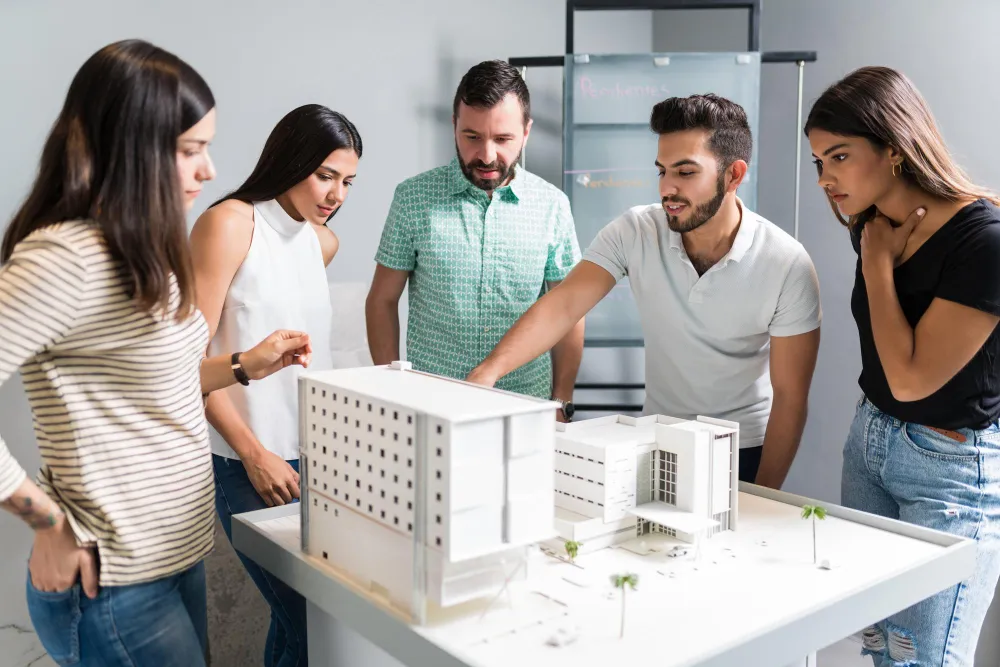
Building a home is one of the most meaningful milestones in life, and many homeowners today want their house to bring peace, prosperity, and long-term happiness. This is where Vastu Tips for New Home Construction become extremely valuable. Vastu Shastra, an ancient Indian architectural science, helps align homes with natural elements such as sunlight, airflow, and cosmic energy. When applied correctly, Vastu for Home Construction creates balanced living environments that support health, stability, and success.
In this guide, we explore 13 powerful Vastu Tips for New Home Construction that can help homeowners design spaces that are not only architecturally beautiful but also energetically balanced for prosperity, health, and long-term harmony.
Understanding the Importance of Vastu for Home Construction
Before starting the construction process, it is important to understand why Vastu principles are widely followed in residential architecture. Vastu Shastra focuses on creating harmony between built spaces and natural forces.
A house designed according to Vastu for New House Construction ensures proper energy balance by aligning rooms, entrances, and open spaces with directional energy fields.
How Vastu Principles Influence Modern Home Design
- Balance between natural elements: Vastu integrates earth, water, fire, air, and space to create a balanced environment that improves the physical comfort and emotional well-being of residents.
- Improved natural lighting and ventilation: Vastu-based architectural planning encourages the use of natural sunlight and airflow, reducing dependence on artificial lighting and improving indoor air quality.
- Enhanced mental and emotional well-being: Homes designed according to Vastu guidelines often feel more peaceful and comfortable, supporting relaxation, productivity, and family harmony.
- Efficient space utilization: Vastu planning naturally leads to well-organized spaces where rooms are positioned according to functional and energetic needs.
- Long-term stability and prosperity: Many homeowners believe that following Vastu Tips for New Home Construction attracts prosperity, stability, and positive growth in life.
Top 13 Vastu Tips for New Home Construction in 2026 for Balanced, Prosperous, and Harmonious Living Space
Let’s explore the top 13 Vastu tips for new home construction in 2026 for a balanced, prosperous, and harmonious living space:
Choosing the Right Plot for Vastu-Compliant Home Construction
The first and most important step in building a Vastu-compliant house is selecting the right plot of land. The shape, slope, surroundings, and directional alignment of the land determine how natural energy will flow within the future home.
In Vastu for New House Construction, land is considered the energetic foundation of the entire building. Just like the roots of a tree determine its growth, the quality and geometry of the plot influence the stability and prosperity of the house constructed on it.
Many buyers prioritize location, connectivity, and budget when purchasing land. While these factors are important, Vastu experts emphasize that the geometry and orientation of the land significantly affect long-term harmony, well-being, and prosperity.
Selecting the correct plot makes it easier to follow Vastu Tips for New Home Construction during architectural planning and ensures that the house aligns naturally with positive energy flows.
Ideal Plot Shape According to Vastu
The shape of a plot has a direct influence on energy movement within the property. Regular and balanced plot shapes allow positive energy to circulate smoothly and support proper room placement according to Vastu principles.
How Plot Shape Influences Energy Flow in Vastu
- Square plots: Square plots are considered the most balanced and harmonious shape in Vastu Shastra because all sides are equal, allowing energy to distribute evenly throughout the property and support stable architectural planning.
- Rectangular plots: Rectangular plots, especially those slightly longer in the north-south direction, allow efficient room placement and help architects design spaces that align naturally with Vastu directional energy zones.
- Balanced plot proportions: Plots with balanced length-to-width ratios help maintain symmetry in construction, making it easier to position important spaces such as entrances, kitchens, bedrooms, and living areas according to Vastu guidelines.
- Symmetrical plot geometry: Symmetrical shapes improve both structural stability and energy harmony, allowing the house to maintain balanced energy circulation and reducing the need for structural or Vastu corrections later.
- Architectural flexibility: Regular plot shapes provide greater flexibility during architectural planning, enabling designers to incorporate modern layouts while still following Vastu for New House Construction.
Irregular plots such as triangular, circular, or L-shaped land may disrupt the natural energy flow and often require expert consultation to balance the property through architectural adjustments.
Land Slope and Elevation
In Vastu Shastra, the elevation and slope of the land influence how natural elements such as water, sunlight, and magnetic energy interact with the house.
A properly sloped plot allows beneficial energy to enter the property while ensuring environmental balance and structural stability.
How Land Slope Affects Energy Balance
- Slope toward north direction: A gentle slope toward the north direction is considered highly beneficial because the north represents wealth energy, helping attract financial growth, career opportunities, and prosperity for the residents.
- Slope toward east direction: Land sloping toward the east allows abundant morning sunlight to enter the property, promoting health, vitality, and positive energy throughout the house.
- Lower northeast level: Keeping the northeast portion slightly lower than the rest of the plot encourages spiritual energy and cosmic vibrations to enter the home, improving clarity and mental peace.
- Higher southwest elevation: A slightly elevated southwest corner provides stability and grounding energy, strengthening family relationships and ensuring long-term security.
- Proper drainage and water flow: Balanced land slope ensures smooth water drainage during rainfall, preventing stagnation and maintaining environmental harmony around the house.
Surrounding Environment and Energy Influence
The environment surrounding a property also plays an important role in determining the quality of energy entering the home. Natural surroundings can enhance positivity, while negative surroundings may disturb the overall harmony of the house.
How Surroundings Influence Vastu Energy
- Open space in north and east: Open areas in the north and east directions allow sunlight and fresh air to enter the property easily, supporting positive energy circulation and healthy living conditions.
- Green landscapes and vegetation: Trees, gardens, and greenery improve environmental balance, enhance air quality, and create a calm and refreshing atmosphere around the house.
- Peaceful residential surroundings: Quiet neighborhoods with minimal noise pollution help maintain a relaxed and harmonious environment for residents.
- Good sunlight exposure: Natural sunlight enhances the positive energy of a home and supports better health and emotional well-being.
- Balanced environmental ecosystem: A combination of greenery, sunlight, airflow, and open space creates an ideal environment for implementing Vastu for New Home Construction successfully.
Environmental Factors to Avoid
- Plots near waste dumping areas: Such locations may create unpleasant surroundings and disrupt the positive environmental energy of the home.
- Land near heavy industrial zones: Pollution, noise, and industrial activity may disturb the peaceful environment needed for residential spaces.
- Abandoned or neglected structures nearby: Dilapidated surroundings may create negative psychological impressions and energetic disturbances around the property.
Selecting the right plot ensures that the entire construction process begins with the correct energetic foundation. When the land follows Vastu for Home Construction, architects can design homes that naturally support prosperity, stability, and long-term happiness.
House Orientation and Direction in Vastu for New Home Construction
After selecting the right plot, the next crucial step in Vastu Tips for New Home Construction is deciding the correct orientation of the house. The direction in which a house faces determines how sunlight, airflow, magnetic forces, and cosmic energy interact with the building structure.
In Vastu Shastra, each direction carries a specific type of energy that influences different aspects of life such as health, prosperity, relationships, and emotional well-being. When a home is properly aligned with these directions, natural energy flows smoothly throughout the house, creating a comfortable and balanced living environment.
Modern architectural planning often prioritizes aesthetics and road alignment, but Vastu for Home Construction emphasizes aligning the building structure with natural directional forces. This alignment improves natural light distribution, ventilation, and energy circulation within the property.
A house designed according to proper orientation not only enhances physical comfort but also supports mental peace, stability, and prosperity for the people living inside.
How House Direction Influences Energy Flow
The direction of a house significantly affects how positive energy enters and circulates through different rooms. Proper orientation ensures that beneficial natural elements such as sunlight, airflow, and magnetic energy interact harmoniously with the building.
- East-facing homes: East-facing homes receive early morning sunlight, which symbolizes new beginnings, vitality, and spiritual growth in Vastu Shastra. This direction encourages positivity, improves natural lighting inside the house, and creates an uplifting atmosphere that supports health and productivity.
- North-facing homes: North-facing houses are considered highly favorable for financial prosperity and career opportunities because the north direction represents wealth energy. Homes facing north allow positive financial vibrations to enter the house and support professional growth and business success.
- Northeast directional openness: Maintaining openness in the northeast area allows spiritual and cosmic energy to flow freely into the home. This direction is associated with clarity, wisdom, and positive vibrations, making it an ideal zone for meditation spaces or prayer rooms.
- Balanced directional alignment: When a house is properly aligned with cardinal directions, every room receives balanced natural light and airflow. This helps maintain a comfortable indoor climate and supports better energy circulation throughout the living space.
- Reduced need for Vastu corrections: Correct orientation during the planning stage helps prevent structural imbalances later, minimizing the need for Vastu remedies or design modifications after construction is completed.
Main Entrance Placement According to Vastu
The entrance of a house plays a crucial role in Vastu for New House Construction because it acts as the primary gateway through which energy enters the home. The direction, size, and design of the main door influence how positive or negative energy flows inside the property.
In Vastu Shastra, the entrance is considered the most important architectural element because it determines the initial energy interaction between the outside environment and the interior space.
A well-placed entrance invites prosperity, good fortune, and positive vibrations into the home while also improving ventilation and natural lighting near the entry area.
When designing a house according to Vastu Tips for New Home Construction, careful attention must be given to the entrance location and surrounding space.
How Entrance Direction Influences Home Energy
The placement and design of the entrance affect the overall energy balance within the house. A properly positioned entrance encourages positive energy flow and creates a welcoming environment.
- North entrance direction: A north-facing entrance is considered highly beneficial because it attracts prosperity, financial growth, and professional opportunities. This direction allows wealth-related energy to flow into the home, supporting career success and financial stability.
- East entrance placement: East-facing entrances welcome the first rays of morning sunlight, which symbolize vitality and positivity. Homes with east entrances often feel brighter, more energetic, and naturally uplifting.
- Northeast entrance location: Entrances positioned in the northeast direction allow spiritual energy and cosmic vibrations to enter the house. This placement promotes clarity of thought, peace of mind, and a harmonious atmosphere within the household.
- Spacious and welcoming entrance: A well-designed entrance with sufficient space around the doorway encourages smooth energy circulation and creates a positive first impression for visitors entering the home.
- Clean and clutter-free entrance area: Maintaining cleanliness and avoiding clutter near the entrance ensures that positive energy flows freely into the house without obstruction.
Kitchen Placement and the Fire Element in Vastu
The kitchen is one of the most important areas in a home because it represents nourishment, health, and prosperity. In Vastu for Home Construction, the kitchen is associated with the fire element, which must be carefully balanced with other natural elements.
Improper kitchen placement may disturb the balance between fire, water, and air energies within the home. Therefore, the kitchen should be positioned in a direction that supports the fire element while maintaining harmony with surrounding spaces.
Designing the kitchen according to Vastu Tips for New House Construction ensures that cooking activities generate positive energy rather than imbalance.
How Kitchen Direction Influences Household Energy
The direction and layout of the kitchen affect both the health of family members and the overall energy environment of the home.
- Southeast kitchen placement: The southeast direction represents the fire element in Vastu Shastra, making it the most ideal location for kitchens. Placing the kitchen in this direction supports cooking activities while maintaining energetic balance within the house.
- Northwest kitchen alternative: When southeast placement is not possible, the northwest direction can serve as a secondary option because it maintains acceptable balance between fire and air elements.
- Cooking facing east direction: Cooking while facing east is believed to enhance positive vibrations in food preparation and improve digestion, health, and overall well-being of family members.
- Separation of fire and water elements: The stove and sink should be placed at a distance from each other to prevent energetic conflict between fire and water elements within the kitchen.
- Proper ventilation in the kitchen: Adequate ventilation helps remove smoke, heat, and moisture while maintaining freshness and balanced airflow during cooking activities.
Living Room Placement According to Vastu
The living room is the primary social space of a home where family members gather and guests are welcomed. According to Vastu, the living room should be designed to encourage openness, positive interaction, and balanced energy circulation.
Proper living room placement ensures that this central area of the house remains bright, welcoming, and energetically harmonious.
How Living Room Direction Influences Social Energy
The direction and layout of the living room influence communication, relationships, and the overall atmosphere within the house.
- North or east living room placement: Living rooms positioned in the north or east direction receive good natural lighting and support positive social interactions among family members.
- Open and spacious layout: A spacious living room allows energy to circulate freely and creates a comfortable environment for family gatherings and guest interactions.
- Proper seating arrangement: Seating should be arranged in a way that promotes communication and avoids blocking natural energy pathways within the room.
- Natural lighting and ventilation: Adequate windows and airflow help maintain freshness, brightness, and energetic balance in the living area.
- Balanced furniture placement: Furniture should be positioned thoughtfully to maintain symmetry and ensure that the room remains comfortable and uncluttered.
Bedroom Placement in Vastu for New Home Construction
Bedrooms are among the most important personal spaces within a home because they influence rest, emotional stability, mental clarity, and long-term well-being. In Vastu Tips for New Home Construction, bedroom placement is carefully planned to align with the earth’s magnetic field and natural energy flow.
Vastu Shastra believes that the direction of a bedroom and the sleeping orientation of its occupants can significantly affect sleep quality, emotional balance, relationships, and overall health. When bedrooms are positioned according to Vastu, they create a calm and relaxing environment that supports physical recovery and mental peace.
Modern architectural designs often focus on room size, furniture placement, and aesthetics. However, Vastu principles emphasize that the directional energy of the room itself plays a key role in determining whether the space supports relaxation or causes subtle disturbances.
A well-designed bedroom aligned with Vastu for New House Construction can help residents experience deeper sleep, improved focus during the day, and stronger emotional harmony within the household.
How Bedroom Direction Influences Rest, Stability, and Relationships
The direction of a bedroom determines how natural energy flows around the sleeping space. Proper directional alignment ensures that the room supports calmness, stability, and emotional comfort for its occupants.
- Southwest master bedroom placement: The southwest direction represents stability, grounding, and leadership energy within Vastu Shastra. Placing the master bedroom in this area strengthens the position of the head of the household and promotes emotional security, marital harmony, and long-term stability within the family structure. This placement also helps reduce stress and creates a sense of control and balance in daily life.
- West direction for children or family bedrooms: Bedrooms located in the west direction are considered suitable for children or family members because this direction promotes calmness and steady personal growth. The west direction receives softer evening sunlight and tends to maintain a balanced temperature, creating a comfortable sleeping environment that supports relaxation and restful sleep.
- Northwest direction for guest bedrooms: The northwest direction is associated with movement and transition according to Vastu principles. Placing guest bedrooms in this area naturally encourages short stays rather than permanent occupancy, making it an ideal location for visitors or temporary residents within the home.
- Avoid northeast bedrooms for sleeping spaces: The northeast direction is considered spiritually powerful and associated with meditation, prayer, and clarity of mind. Placing bedrooms in this direction may disturb the spiritual energy of the space and lead to restlessness or lack of deep sleep for occupants.
- Balanced bedroom distribution throughout the house: Properly distributing bedrooms across suitable directions helps maintain energy balance within the entire house while ensuring that each family member enjoys a peaceful and comfortable personal space.
How Bed Placement and Sleeping Direction Affect Health and Energy
Beyond the room location, the placement of the bed itself plays a major role in maintaining energy balance within the bedroom.
- Sleeping with head facing south: Sleeping with the head toward the south aligns the body with the earth’s magnetic field, which Vastu experts believe improves blood circulation, reduces stress, and promotes deeper sleep.
- Sleeping with head facing east: An east-facing sleeping direction is considered beneficial for students, professionals, and individuals seeking mental clarity because it supports concentration, learning ability, and intellectual growth.
- Avoid sleeping with head toward north: According to Vastu Shastra, sleeping with the head toward the north direction may disturb the body’s magnetic alignment and potentially lead to restless sleep, fatigue, or headaches.
- Avoid placing bed directly under structural beams: Beds placed under heavy beams may create psychological pressure and disrupt relaxation, making it important to position beds in open areas of the room.
- Maintain uncluttered bedroom layout: A clean and organized bedroom improves energy circulation and helps create a peaceful atmosphere that supports emotional balance.
Bathroom and Toilet Placement in Vastu for New House Construction
Bathrooms and toilets are essential functional spaces in modern homes, yet in Vastu Shastra they represent the removal of waste and negative energy. For this reason, their placement must be carefully considered when following Vastu Tips for New Home Construction.
Improper bathroom placement may disturb the energetic balance of a home by spreading stagnant or negative energy into surrounding living spaces. In contrast, bathrooms positioned according to Vastu for Home Construction help maintain cleanliness, hygiene, and environmental balance.
Modern architecture often prioritizes plumbing convenience and space optimization. However, Vastu emphasizes that bathrooms should be positioned in directions that support the natural removal of waste energy while minimizing disturbance to important living areas.
How Bathroom Direction Influences Energy Flow in Homes
The direction of bathrooms and toilets determines how waste-related energy exits the house and interacts with surrounding spaces.
- Northwest direction for bathrooms: The northwest direction represents movement and circulation in Vastu principles, making it a suitable location for bathrooms because it allows waste energy to leave the home efficiently without affecting other living areas.
- West direction for bathroom placement: Bathrooms positioned in the west direction help maintain balance between the water and earth elements within the house, ensuring that moisture and drainage systems function without disrupting the energy flow of nearby rooms.
- Avoid northeast bathrooms or toilets: The northeast zone represents purity, spirituality, and clarity. Placing bathrooms or toilets in this area may disturb the sacred energy of the home and reduce the overall harmony of the environment.
- Avoid central bathrooms within the house: The central part of the house, often called the “Brahmasthan,” is considered the energetic heart of the building. Bathrooms located in this area may disrupt the energy distribution of the entire structure.
- Ensure efficient drainage and plumbing systems: Proper drainage prevents water stagnation and helps maintain hygiene, cleanliness, and healthy environmental conditions within the house.
How Bathroom Design Supports Hygiene and Energy Balance
Beyond directional placement, the internal design of bathrooms also influences Vastu harmony and hygiene.
- Install proper ventilation and exhaust systems: Adequate ventilation removes humidity, prevents mold growth, and improves air circulation, ensuring that moisture does not accumulate within the bathroom.
- Separate bathing and toilet areas: Dividing the bathing space from the toilet area enhances cleanliness and prevents the mixing of water and waste energy.
- Use light and calming color schemes: Soft colors such as white, beige, or light blue create a clean and refreshing environment that supports hygiene and comfort.
- Maintain regular cleanliness and maintenance: Keeping bathrooms clean prevents negative energy accumulation and ensures a healthy living environment for residents.
- Ensure adequate lighting: Bright and well-distributed lighting improves hygiene, safety, and visual comfort within the bathroom.
Windows and Ventilation According to Vastu for Home Construction
Windows and ventilation systems play a crucial role in maintaining a healthy indoor environment and ensuring proper energy circulation inside the house. According to Vastu Tips for New Home Construction, windows act as gateways for sunlight, fresh air, and natural energy.
Proper window placement helps regulate temperature, improve air quality, and enhance the overall comfort of living spaces. Homes designed with balanced window placement feel brighter, fresher, and more inviting.
In modern architecture, windows are often designed for aesthetics and views. However, Vastu for New House Construction emphasizes that their direction, size, and distribution influence the quality of energy entering the house.
How Window Direction Affects Natural Light and Energy Flow
The direction and number of windows determine how sunlight and fresh air interact with interior spaces.
- North and east window placement: Windows in the north and east directions allow gentle sunlight and fresh air to enter the house throughout the day, creating a bright and energetic environment that supports physical health and mental clarity.
- Balanced distribution of windows throughout the house: Evenly distributed windows prevent dark or stagnant spaces and ensure that every room receives sufficient natural light and ventilation.
- Larger windows for better daylight penetration: Large windows improve indoor brightness, reduce reliance on artificial lighting, and enhance the overall visual comfort of the home.
- Avoid blocking windows with heavy furniture: Windows should remain unobstructed so that natural light and airflow can circulate freely inside the house.
- Strategic window height and placement: Proper window height allows sunlight to enter the room without creating excessive heat or glare.
How Proper Ventilation Improves Indoor Comfort and Health
Ventilation is essential for maintaining fresh air circulation and preventing indoor pollution.
- Cross ventilation between opposite walls: Designing rooms with windows on opposite sides allows fresh air to flow naturally across the space, improving comfort and reducing humidity.
- Ventilation in kitchens and bathrooms: Proper ventilation in these areas removes smoke, odors, and moisture, helping maintain a clean and healthy environment.
- Use of ventilators and skylights: Skylights and roof ventilators improve natural lighting and airflow in enclosed spaces.
- Natural airflow pathways in house design: Creating open pathways for airflow ensures continuous circulation of fresh air throughout the home.
- Healthy indoor air quality: Proper ventilation reduces indoor pollutants and supports respiratory health for residents.
Staircase Placement in Vastu for New Home Construction
The staircase is a critical structural element in multi-floor homes because it connects different levels of the house and influences the vertical movement of energy within the building. In Vastu Tips for New Home Construction, staircase placement must be carefully planned to maintain energy balance between floors.
In Vastu Shastra, staircases represent upward and downward movement of energy. If they are positioned incorrectly, they may disrupt the natural flow of energy inside the house, potentially affecting stability, prosperity, and overall harmony.
Architects and Vastu consultants recommend designing staircases in directions that support structural balance and natural energy circulation. When planned correctly according to Vastu for Home Construction, staircases allow smooth movement while maintaining the energetic stability of the home.
Improper staircase placement may create energetic imbalance, which could lead to stress, instability, or discomfort within the household.
How Staircase Direction Influences Energy Movement
The direction of a staircase determines how energy travels between different floors of the house. Correct directional placement ensures that energy rises smoothly without disturbing important living spaces.
- South or southwest staircase placement: The south and southwest directions are considered the most suitable locations for staircases because these zones represent stability and strength in Vastu Shastra. Placing staircases here prevents disturbance in the more sensitive energy zones of the home while maintaining structural balance.
- Clockwise staircase movement: Staircases should ideally rise in a clockwise direction. According to Vastu principles, this movement supports natural energy flow and creates a sense of progression and growth within the house.
- Avoid northeast staircases: The northeast direction is associated with spiritual energy and purity. Placing a staircase in this area may block positive energy entering the home and disturb the sacred energy zone.
- Avoid staircase at the center of the house: The central area of the house is considered the energetic heart or Brahmasthan. Heavy structures like staircases in this area may disrupt energy distribution throughout the home.
- Ensure proper lighting and openness around staircases: Well-lit staircases create a safer and more comfortable environment while preventing the buildup of stagnant energy in enclosed areas.
How Staircase Design Supports Structural and Energetic Balance
Apart from direction, the design and structure of the staircase also influence the energy of the house.
- Solid staircase construction: Staircases should be built with strong and stable materials to represent durability and long-term stability within the home.
- Uniform step size and proportion: Consistent step height and width ensure comfortable movement and prevent uneven energy distribution.
- Avoid hollow staircases: Hollow or open staircases may symbolically represent instability according to traditional Vastu beliefs.
- Maintain cleanliness around staircase areas: A clutter-free staircase area supports smooth energy circulation and improves safety.
- Proper railing and ventilation: Good airflow and secure railings enhance both safety and energy balance within the staircase area.
Garden and Landscaping Vastu for New House Construction
Outdoor spaces play an equally important role in maintaining the overall energy balance of a home. According to Vastu Tips for New House Construction, gardens, plants, and landscaping features influence how natural energy enters the property.
A well-planned garden enhances the beauty of the home while also creating a calming and refreshing atmosphere for residents. Vastu Shastra emphasizes the importance of maintaining harmony between natural elements such as earth, water, sunlight, and greenery.
Landscaping designed according to Vastu for New House Construction helps create an environment where positive energy flows freely from the outside into the house.
Green spaces also improve air quality, provide shade, and contribute to physical and mental well-being.
How Garden Placement Influences Positive Energy
The direction and design of gardens and open spaces can significantly affect the overall energy environment of the home.
- Northeast garden placement: Gardens located in the northeast direction are highly beneficial because this area represents purity and spiritual energy. Maintaining greenery in this direction enhances positivity and allows fresh energy to enter the home.
- North and east open spaces: Keeping open spaces in the north and east directions allows sunlight and fresh air to flow freely into the property, improving both environmental balance and living comfort.
- Planting trees in south and west areas: Large trees can be planted in the south or west sides of the property to provide shade and act as protective barriers against harsh sunlight.
- Avoid heavy structures in northeast garden area: Placing heavy objects such as storage sheds or large rocks in the northeast may block positive energy flow.
- Maintain clean and organized outdoor spaces: Well-maintained gardens create a peaceful atmosphere and improve the overall aesthetic appeal of the home.
How Landscaping Elements Support Vastu Harmony
Landscaping design elements can enhance both the visual beauty and energetic balance of a property.
- Water features in northeast direction: Small fountains or water bodies placed in the northeast direction symbolize prosperity and continuous energy flow.
- Flower plants for positive vibrations: Bright and colorful flowers bring freshness and vitality to the garden environment.
- Pathways designed with smooth curves: Curved garden pathways encourage gentle energy flow and create visually pleasing outdoor spaces.
- Balanced distribution of greenery: Properly placed plants improve air quality and create a relaxing outdoor environment.
- Outdoor seating and relaxation areas: Comfortable seating spaces in gardens encourage relaxation and family interaction.
Energy Balancing Techniques in Vastu for Home Construction
Even when a home is carefully designed according to Vastu Tips for New Home Construction, certain environmental factors or architectural constraints may create minor energy imbalances.
In such situations, Vastu experts recommend energy balancing techniques that help restore harmony within the home. These techniques are often used during renovations or when structural changes are not possible.
Energy balancing methods combine traditional Vastu remedies with modern interior design practices to create a harmonious living environment.
How Energy Balancing Techniques Improve Home Harmony
Simple design adjustments and symbolic elements can significantly improve the energy environment of a home.
- Use of mirrors for energy reflection: Mirrors placed strategically can help reflect natural light and expand the sense of space while improving energy circulation.
- Indoor plants for natural purification: Plants such as money plant, bamboo, or peace lily help purify indoor air and create a refreshing environment.
- Natural materials in interior design: Materials like wood, stone, and clay strengthen the connection between indoor spaces and natural elements.
- Balanced lighting throughout the home: Proper lighting reduces dark corners and improves the overall ambiance of living spaces.
- Regular cleaning and decluttering: Keeping the house organized and clutter-free ensures that energy flows smoothly throughout the home.
Avoiding Vastu Defects in New Home Construction
Even when homeowners carefully follow Vastu Tips for New Home Construction, certain architectural layouts, structural limitations, or design decisions may unintentionally create Vastu defects, commonly referred to as Vastu Doshas. These defects occur when important elements such as entrances, rooms, or structural components are placed in directions that conflict with natural energy principles.
Vastu defects do not necessarily mean a house will bring negative outcomes, but they may disturb the smooth flow of energy within the home. Over time, these imbalances can affect comfort, emotional harmony, productivity, or overall living experience.
The best way to avoid such issues is to incorporate Vastu for Home Construction during the early planning stage of the project. By identifying potential defects before construction begins, architects and Vastu experts can design spaces that naturally support energy balance and long-term well-being.
Avoiding Vastu defects helps ensure that the home remains comfortable, harmonious, and energetically stable for its residents.
How Common Vastu Defects Affect Energy Balance
Vastu defects typically occur when certain directions or elements are improperly used within a building design. Understanding these issues helps homeowners prevent problems before construction begins.
- Incorrect entrance placement: When the main entrance is positioned in an unfavorable direction or blocked by structural obstacles, it may disrupt the natural entry of positive energy into the home. The entrance is considered the primary gateway for energy flow, so its placement significantly affects the overall atmosphere and prosperity of the household.
- Improper room placement: Placing important rooms such as kitchens, bedrooms, or prayer spaces in unsuitable directions may disturb the balance between natural elements like fire, water, and air. For example, a kitchen in the northeast zone may conflict with the spiritual energy associated with that direction.
- Structural imbalance within the building: Heavy structures such as staircases, storage rooms, or pillars placed in sensitive energy zones may block energy circulation within the home and affect the balance of surrounding spaces.
- Blocked natural light and airflow: Poor architectural planning that restricts sunlight or ventilation may create stagnant energy zones inside the house, making rooms feel uncomfortable or dull.
- Cluttered or poorly designed interior layouts: Excessive clutter or poorly arranged furniture can obstruct energy flow, reducing the positive effect of Vastu-aligned design.
How Vastu Corrections Can Reduce Structural Imbalances
Even if a home has minor Vastu defects, there are various design adjustments and remedies that can help restore energy balance without requiring major structural changes.
- Architectural adjustments during planning: When defects are identified early, architects can modify room placement, wall alignment, or structural elements to improve energy balance before construction begins.
- Use of Vastu remedies and symbolic elements: Vastu experts sometimes recommend remedies such as energy pyramids, yantras, or specific design elements to balance directional energy.
- Interior design adjustments: Rearranging furniture, adjusting lighting, or modifying room usage can sometimes reduce the impact of minor Vastu imbalances.
- Energy balancing through natural elements: Incorporating plants, water features, or natural materials can help restore harmony within the home environment.
- Consultation with experienced Vastu professionals: Professional guidance ensures that corrections are practical, effective, and aligned with architectural requirements.
Consulting a Vastu Expert for Home Construction
Designing a Vastu-compliant home requires more than simply following a few directional rules. Each property has unique characteristics such as plot shape, orientation, surrounding environment, and architectural design requirements. This is why consulting an experienced Vastu expert is often recommended during the planning stage of construction.
A professional Vastu consultant combines traditional knowledge with modern architectural understanding to ensure that the house design aligns with both Vastu Tips for New House Construction and practical building standards.
By working with a Vastu expert early in the design process, homeowners can avoid costly structural changes later and ensure that their home supports positive energy flow from the very beginning.
How Vastu Experts Improve Architectural Planning
Professional Vastu consultants analyze multiple factors before recommending design guidelines for a home.
- Detailed site analysis: Vastu experts evaluate the plot orientation, slope, surrounding environment, and nearby structures to determine how energy interacts with the property.
- Directional planning for rooms: Based on the energy zones of the plot, consultants recommend the most suitable locations for bedrooms, kitchens, living rooms, and entrances.
- Integration with modern architecture: Experienced consultants collaborate with architects to ensure that Vastu principles align with structural engineering requirements and contemporary design preferences.
- Identification of potential Vastu defects: Early identification of design issues allows corrections to be made during the planning stage, preventing costly modifications later.
- Personalized design recommendations: Vastu consultations often consider the lifestyle, profession, and preferences of the homeowners to create a customized design solution.
Maintaining Vastu Harmony in Your Home
Following Vastu Tips for New Home Construction during the building phase is only the first step in creating a harmonious living environment. Maintaining that balance over time is equally important. Homes naturally evolve as families grow, furniture arrangements change, and new design elements are added. Regular attention to energy balance helps ensure that the home continues to support comfort, positivity, and well-being.
Maintaining Vastu harmony does not require strict rituals or complicated practices. Often, simple lifestyle habits and thoughtful interior design choices can help preserve the positive energy within a home. When homeowners consciously maintain the principles of Vastu for New House Construction, their living environment remains calm, organized, and energetically balanced.
How Daily Practices Support Vastu Harmony
Small everyday habits can significantly influence the energy environment of a home.
- Keeping the home clean and clutter-free: Clean spaces allow energy to circulate freely throughout the house, creating a fresh and comfortable living environment.
- Allowing natural sunlight and ventilation: Opening windows regularly allows fresh air and sunlight to refresh the indoor atmosphere.
- Maintaining balanced interior design: Choosing calming colors, natural materials, and balanced furniture arrangements supports a harmonious interior environment.
- Using plants and natural elements: Indoor plants and natural materials strengthen the connection between indoor spaces and nature.
- Regularly reviewing spatial arrangements: Periodically adjusting furniture placement or decluttering rooms helps maintain smooth energy flow within the house.
Conclusion: Building a Home with Balance, Harmony, and Positive Energy
We have covered a detailed guide on Vastu Tips for New Home Construction to help homeowners design spaces that promote balance, harmony, and positive energy. From selecting the right plot and aligning the house direction to planning bedrooms, kitchens, staircases, and gardens, every decision influences the overall energy of a home. By thoughtfully applying Vastu for New House Construction principles and seeking expert guidance when needed, homeowners can create living spaces that support health, prosperity, comfort, and long-term happiness for their families.
Create Your Vastu-Compliant Dream Home with Vastu Shilpa
Designing a Vastu-compliant home requires expertise, thoughtful planning, and a deep understanding of both traditional principles and modern architectural practices.
At Vastu Shilpa, we specialize in creating homes where ancient Vastu wisdom meets contemporary architecture. With over three decades of experience in Vastu-integrated architecture and construction, our team designs spaces that are not only visually stunning but also energetically balanced.
Whether you are planning a new home, renovating an existing property, or seeking expert guidance for Vastu compliance, our architects and consultants provide personalized solutions tailored to your needs.
Our services include:
- Vastu-compliant architectural design
- Residential and commercial construction
- Interior design aligned with Vastu principles
- Renovation and Vastu correction solutions
- Complete design-to-construction project management
By combining modern design excellence with Vastu expertise, Vastu Shilpa helps homeowners create spaces that promote prosperity, health, and harmony.
📞 Contact Vastu Shilpa today to design your Vastu-aligned dream home.
FAQs About Vastu for New Home Construction
What is Vastu Shastra and why is it important for home construction?
Vastu Shastra is an ancient Indian architectural science that focuses on creating harmony between built structures and natural elements such as sunlight, airflow, and magnetic energy. When applied during home construction, Vastu principles help balance energy flow within the house. This balance is believed to support health, financial stability, emotional well-being, and peaceful living. Following proper Vastu guidelines during construction ensures that rooms, entrances, and open spaces align with natural directional energies.
What are the most important Vastu tips for new home construction?
Some of the most important Vastu tips for new home construction include selecting a properly shaped plot, aligning the house with favorable directions, placing the kitchen in the southeast zone, locating the master bedroom in the southwest, and ensuring the main entrance faces north, east, or northeast. Proper ventilation, natural lighting, and balanced room placement also play key roles in maintaining energy harmony within the home.
Which direction is best for building a house according to Vastu?
East-facing and north-facing houses are generally considered the most favorable according to Vastu Shastra. East-facing homes receive beneficial morning sunlight, which represents vitality and positive beginnings. North-facing homes are associated with prosperity and financial growth. However, the ideal direction for a house also depends on factors such as plot shape, surrounding environment, and architectural layout.
Can Vastu principles be applied to modern home designs?
Yes, Vastu principles can be successfully integrated into modern architectural designs. Experienced architects often combine contemporary design concepts with Vastu guidelines to create homes that are both aesthetically appealing and energetically balanced. The goal is not to restrict creativity but to align important elements such as room placement, entrances, and open spaces with natural energy flows.
What happens if a house has Vastu defects?
A house with minor Vastu defects does not necessarily lead to negative outcomes, but it may create subtle energy imbalances. These imbalances could affect comfort, productivity, or emotional harmony within the household. Fortunately, many Vastu defects can be corrected through architectural adjustments, interior design changes, or energy-balancing techniques without requiring major structural modifications.
Which direction is best for the kitchen according to Vastu?
The southeast direction is considered the most suitable location for the kitchen in Vastu Shastra because it represents the fire element. Cooking activities naturally align with this direction’s energy. If the southeast placement is not possible, the northwest direction may be used as an alternative. Additionally, it is recommended that the person cooking faces east while preparing food.
Why is the main entrance important in Vastu?
The main entrance acts as the primary gateway through which energy enters the house. According to Vastu principles, entrances facing the north, east, or northeast directions are considered most auspicious because they allow positive energy and natural sunlight to enter the home. A clean, well-lit, and welcoming entrance helps create a positive environment inside the house.
How does bedroom placement affect health and sleep?
Bedroom placement influences sleep quality and emotional stability. According to Vastu guidelines, the master bedroom should ideally be located in the southwest direction because it represents stability and grounding energy. Sleeping with the head facing south or east is also recommended for better sleep and improved physical well-being.
Are Vastu principles necessary for small houses or apartments?
Yes, Vastu principles can be applied to houses of any size, including apartments and compact homes. Even when structural modifications are limited, interior design adjustments, furniture placement, and energy balancing techniques can help improve the overall energy environment of the space.
When should I consult a Vastu expert during construction?
It is best to consult a Vastu expert during the planning and design stage of home construction. Early consultation allows architects and consultants to align the plot layout, room placement, and structural elements with Vastu principles before construction begins. This approach helps avoid costly corrections later and ensures the home is designed with balanced energy from the beginning.